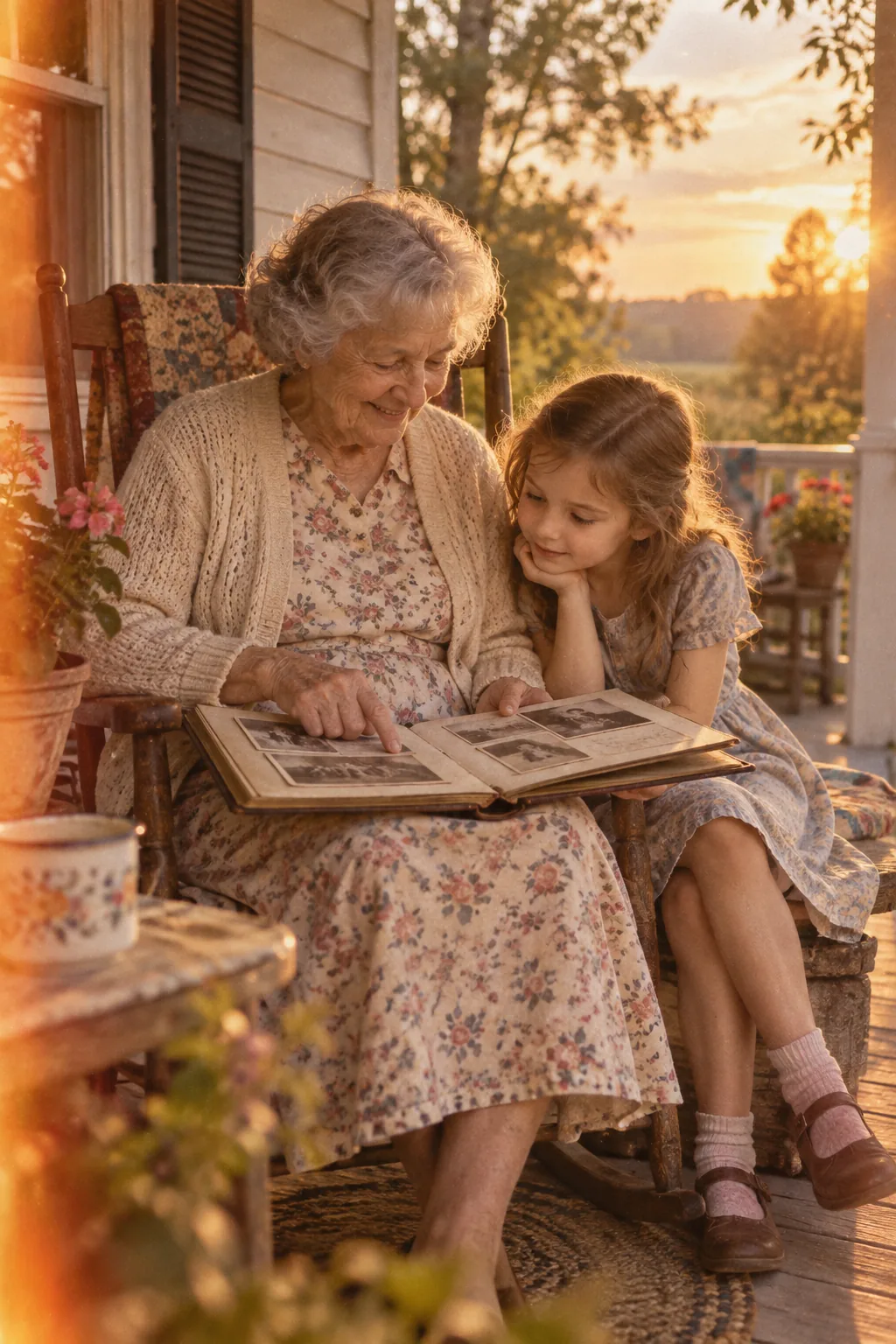
Why record your grandparents' stories now
Every family has a moment when someone says I wish I had asked Grandpa about that. The stories of a grandparent's childhood, their first job, the way they met, rarely exist anywhere except in their memory, and there is almost never any footage of those years. Recording them while your grandparents are around to tell them in their own words is one of the simplest and most lasting things you can do for a family.
You do not need a camera crew or a perfect interview. A notebook, a few good questions and an afternoon are enough to start. showmylife takes what you write down, splits it into shots, draws the places and people, and adds narration and subtitles, so a page of notes becomes a short illustrated film. The finished MP4 is something both your grandparents and the youngest grandchildren can watch, and it does not depend on anyone keeping a binder in order.
Questions to ask grandparents that get real stories
The best questions to ask grandparents point at a specific place or moment. What did the street outside your childhood home look like? What did you eat on Sundays? What was your first paid job, and what did you buy with the first wages? How did you meet Grandma, and what was she wearing? What did your parents do for a living? Which year changed everything for you? Each of these invites a scene rather than a summary.
Avoid yes-or-no questions and questions that require a verdict, such as was it a happy childhood. Instead, follow up on details: who else was there, what did it smell like, what happened next. If a story wanders, let it; tangents are often where the best material is. Write down their exact phrases when you can, because the way a grandparent says something is part of the story.
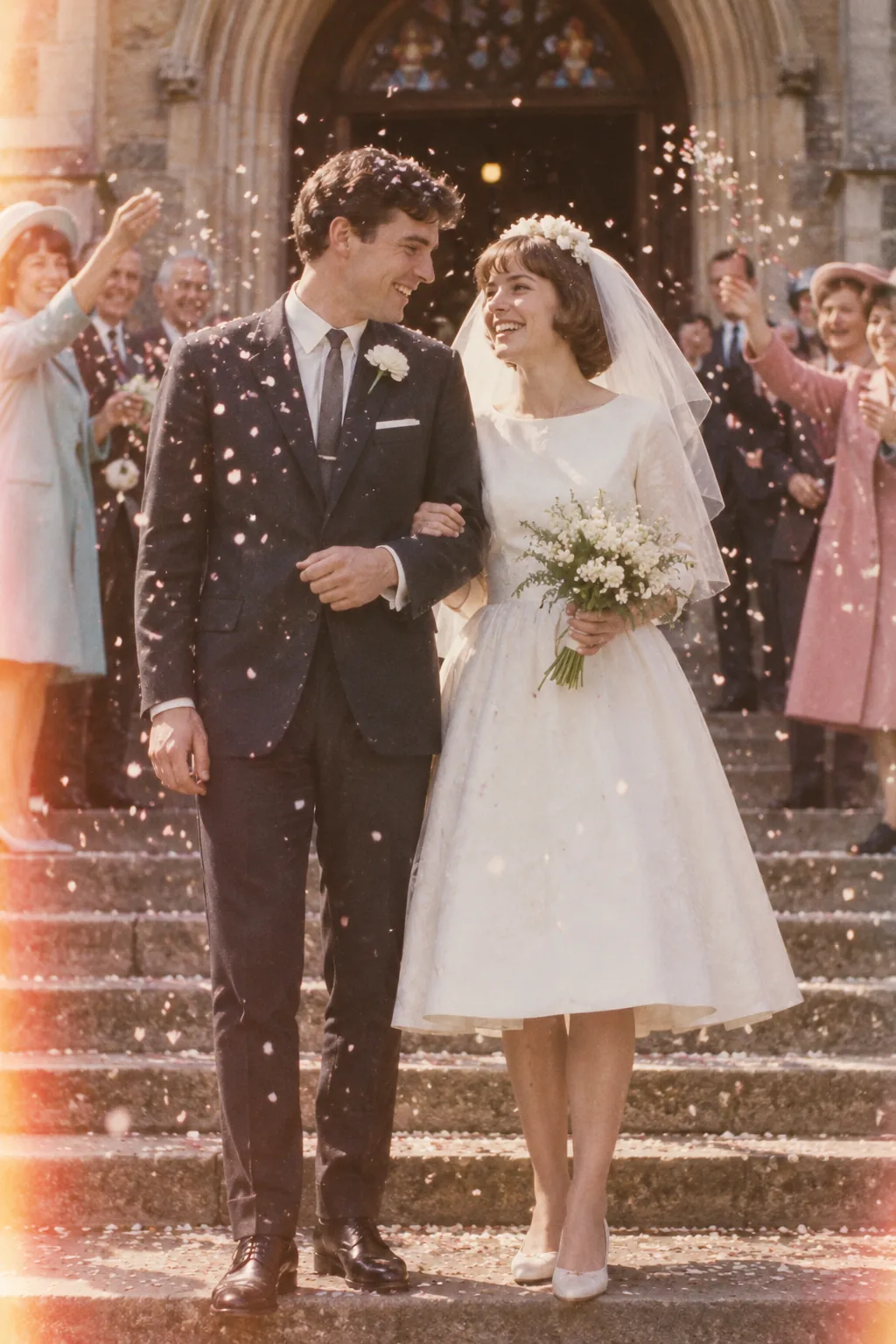
A short answer can already make a film. For example: We married in March 1962 in the village church. It snowed that morning, so your grandfather carried me across the yard to keep my shoes dry, and his brother laughed so hard he dropped the camera. That paragraph holds four or five shots and needs almost no editing.
Long evenings ahead: turning the clock change into story time
If you have looked up the daylight saving time end date 2026, you already know the evenings are about to get longer. In the United States clocks go back one hour on Sunday, November 1, 2026, and in much of Europe the change comes a week earlier, on Sunday, October 25. Darker afternoons are not everyone's favourite season, but they are a good excuse to plan regular visits or video calls with grandparents and spend the time on stories.
Try a simple routine: one evening a week, one topic. Week one, the house they grew up in. Week two, school and friends. Week three, work. Week four, love and marriage. By the time the holidays arrive, you will have four chapters written down, each of them enough for a short film of eight to twelve shots. Grandparents often enjoy having a reason to look forward to the next call, and the topic gives them time to remember.
From interview notes to a finished life story film
Once you have notes, decide on one chapter per film. A whole life in one video tends to become a list of dates; a single chapter, such as the year they emigrated or the first home they bought, has a beginning, a middle and an end. Paste the notes in, or answer the guided questions and let the AI shape the real experience into a story. Then read the narration aloud and adjust anything that does not sound like your grandparent.
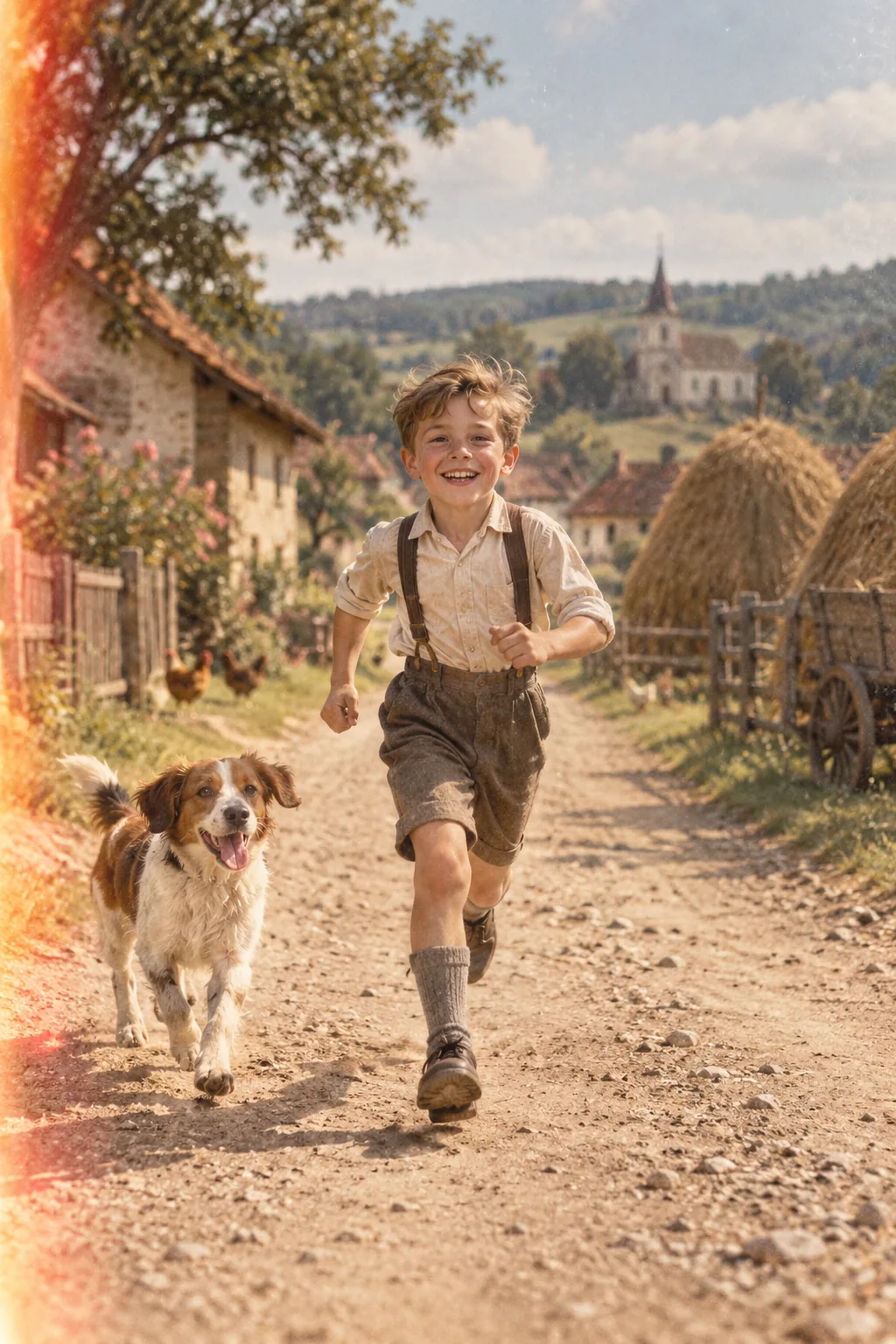
Before the pictures are drawn, check the characters, places and objects showmylife has listed. Add a decade and a region where it matters, because a 1950s farmhouse in Ohio and a 1950s apartment in Naples look very different. If your grandparents agree, a reference photo can help their character resemble them. For older eras, storybook watercolour or pencil sketch with watercolour wash often feels right; cinematic film still suits a dramatic chapter such as a sea crossing.
Choose a calm narration voice in the language the story is written in; the text is read as written, without translation. Turn on subtitles at a comfortable size, because many grandparents will watch with the volume low.
A grandparent gift idea that is really about them
Grandparents often say they do not need anything, and they are usually right. A film of their own story is a grandparent gift idea that costs very little and means a great deal: it shows that someone listened. Play it at a birthday, an anniversary or a holiday dinner, export it in 16:9 for the television, and send a 9:16 copy to relatives who will watch on their phones.
For a bigger occasion, such as an 80th birthday or a golden wedding anniversary, consider a small series: one film for childhood, one for the love story, one for work and family. Different grandchildren can each take a chapter. If the wider family history is your goal, the family memoir video use case covers multi-generation stories and turning an existing written memoir into a film.
Recording with care: permission, privacy and memory
Always ask before you write down or record, and tell your grandparents what the film is for and who will see it. Some memories involve hardship, loss or people who are still alive; let your grandparents decide what goes in, and offer to leave out names or make a version only for close family. Projects stay private in your own account until you choose to download and share them.
If a grandparent's memory is fading, keep sessions short, use photos or objects as prompts, and accept that dates may shift. The emotional truth of a story matters more than exact years. It is also worth showing a draft of the narration before you finish, so they can hear their story told back and correct anything that feels wrong. That moment of recognition is often the best part of the whole project.