Why a trip without good footage can still become a film
Most travel videos depend on what the camera caught, and the camera usually misses the best parts. Your phone was in your pocket during the long conversation on the shuttle bus, the battery was dead at sunset, and the photos from the crowded hall are blurry shapes. What you do have is memory: the smell of the street food, the joke someone made in the queue, the moment the light changed.
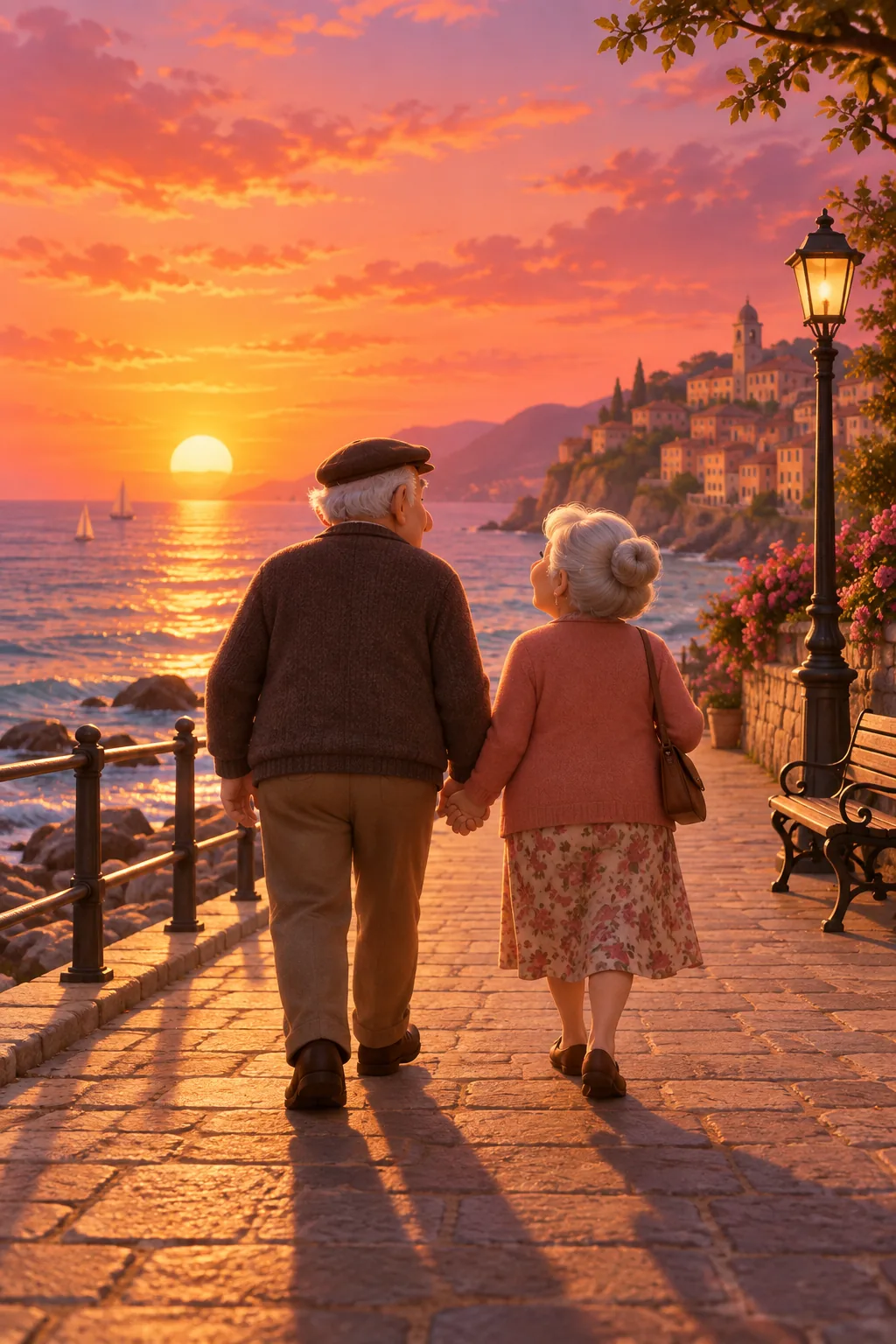
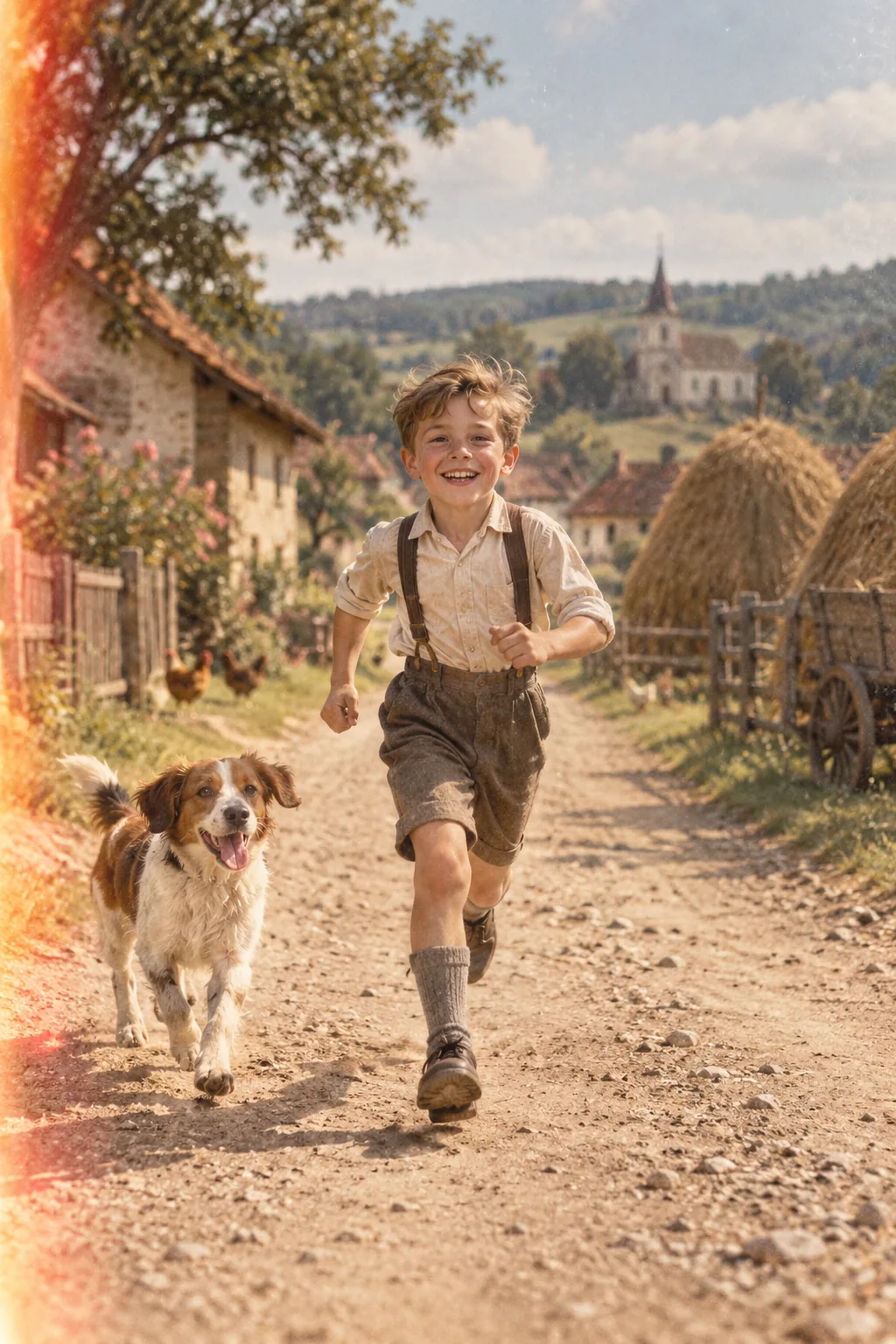
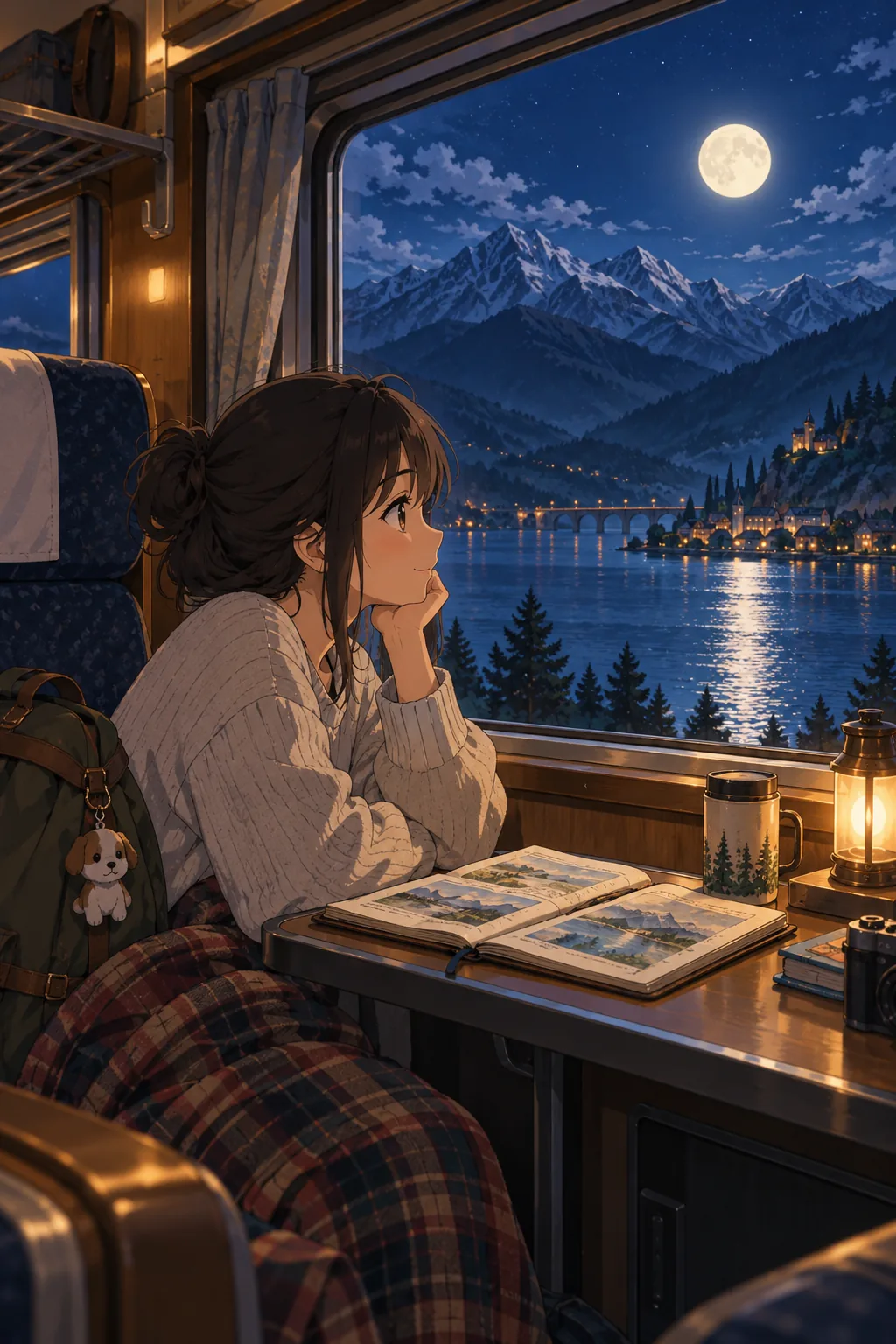
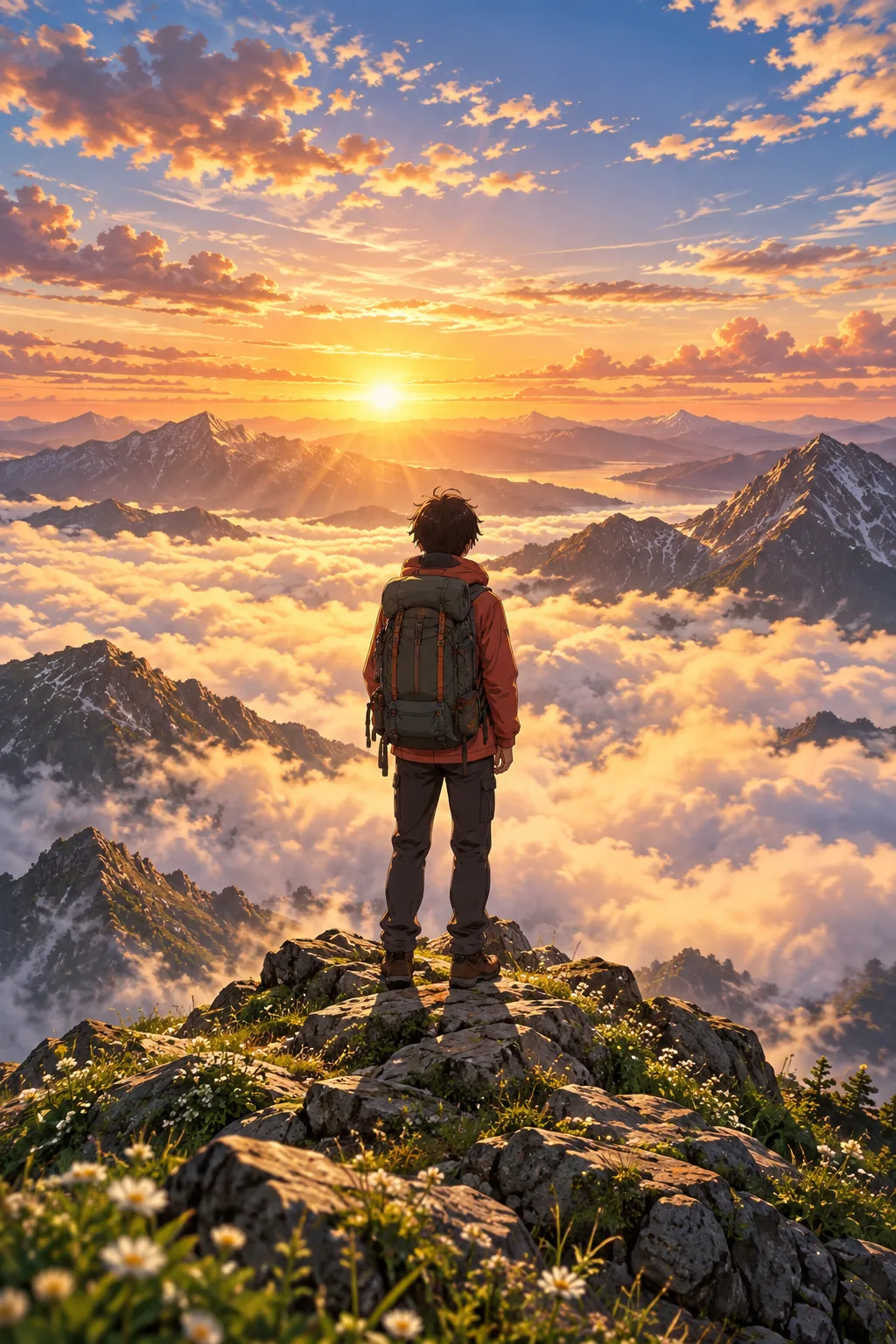
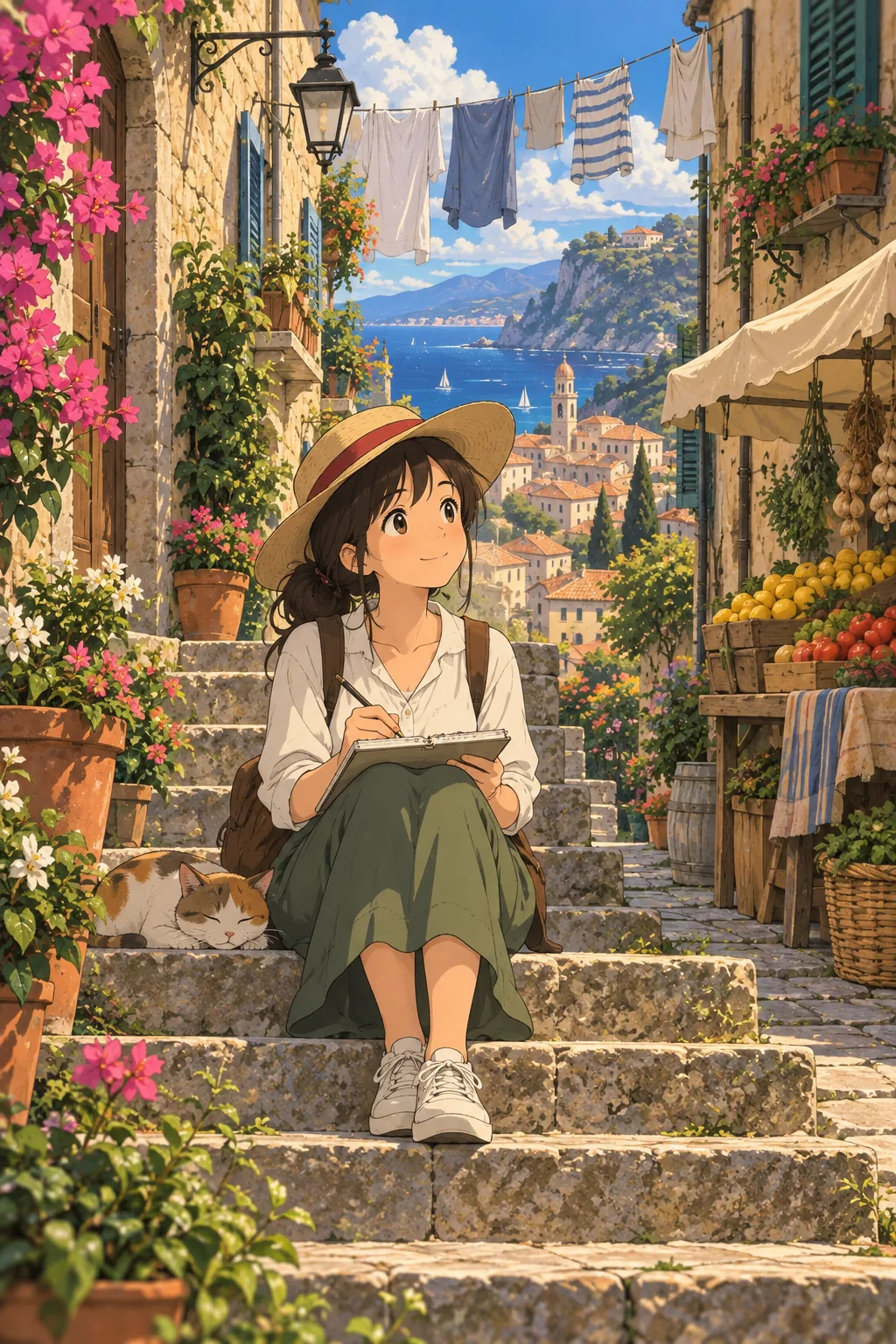
An illustrated travel film starts from those memories instead of from footage. You write what happened, and showmylife turns each moment into a drawn scene with narration and subtitles. Because the pictures are illustrations, a rainy afternoon, a dark stadium or a scene you never photographed can look as clear as any postcard. The result is not a recording of the trip; it is your account of it, told in order.
How to keep a travel journal that becomes a film
You do not need to write beautifully on the road. Short notes each evening are enough: where you were, who was with you, one thing that surprised you and one sentence someone said. A line like 'Mia fell asleep on my shoulder on the train back, still holding the paper map' gives the storyboard a clear picture to draw and the narration a warm line to read.
Write in scenes rather than lists. 'Visited the old town, ate lunch, saw the cathedral' becomes three flat shots. 'We got lost in the old town and ended up eating soup in a tiny place with six tables' becomes one scene people remember. Note the weather, the time of day and the clothes people wore, because those details help each picture feel like that exact day.
If your notes live in a phone app, a chat with your travel companions or a document, copy the text and paste it in. There is no file import, so plain text is the way in. Old paper journals work too: type up the pages you want to keep, even years later.
Autumn trips and events worth turning into a story
Autumn is full of experiences that are hard to film well but easy to remember. If you are heading to the Albuquerque International Balloon Fiesta this October, the early morning is the story: the cold before dawn, the burners roaring, the moment hundreds of balloons lift at once. Write down who stood next to you and what you drank to stay warm, and Balloon Fiesta 2026 becomes a short film instead of fifty similar sky photos.
A Renaissance festival weekend gives you costumes, turkey legs, a jousting crowd and a friend who refused to break character all day. ComplexCon gives you long lines, the thing you finally found and the people you met while waiting. A family trip to Disneyland Paris is best told from a child's point of view: the first sight of the castle, the ride that was too scary, the tired walk back to the hotel. Describe what you experienced in your own words; the film is your memory, not a promotion of any event or brand.
Travel to Japan works the same way. Plenty of people check the Tokyo weather before they go and hope for blue skies, but a rainy day in Tokyo can be the best scene of the trip: umbrellas at a crossing, steam from a ramen bowl, neon reflected in wet pavement. Sports trips belong here too. Watching the Asian Games 2026 in Aichi-Nagoya or a session at the China Open in Beijing is about the journey to the venue, the people around you and the point that made everyone stand up, told from your seat.
How to structure a travel diary video day by day
The simplest structure is the one you lived: day one, day two, day three. Open with a short arrival scene, give each day one or two strong moments, and close with the journey home or a quiet final thought. For a single event, use the hours instead of the days: setting off, arriving, the high point, the way back.
As a rough guide, one shot holds one moment and one or two sentences of narration. A weekend trip often fits well in eight to twelve shots; a long journey may need more, or a selection of the best days. Each new picture costs one credit, so choosing your strongest moments also keeps the film tight. After the storyboard is ready you can delete shots, merge two weak ones or rewrite a line before anything is exported.
Before pictures are drawn, showmylife lists the characters, places and objects in your story. Check that your travel companions, the hotel, the balloon or the festival costume are described the way you remember them. If you want a traveller to resemble a real person, you can add a reference photo, as long as you have permission to use it. Ask your companions before you put them in a film you plan to share.
Which illustration style and voice suit a travel film?
The default storybook watercolour suits most trips, especially slow travel, family holidays and countryside walks. Anime works beautifully for Tokyo streets, night markets and anything with neon. The cinematic film still style gives festivals and stadium nights a sense of scale, while pencil sketch with watercolour wash looks like the pages of a real travel journal. Oil painting fits historic cities and autumn landscapes, and stylised 3D animation is a playful choice for a theme park trip with children.
For the narration, choose a voice that matches the mood of the trip and the language you wrote in. There are 21 voices, including English, French, German, Japanese, Korean and Chinese voices and multilingual voices that read most languages. A calm voice suits a reflective solo journey; a brighter voice suits a family adventure. You can switch voices and listen again before export at no credit cost.
Making a vertical cut for phones and sharing it
Most people will watch your travel film on a phone, so consider exporting a 9:16 vertical version for Reels, Shorts or a WhatsApp Status, alongside a 16:9 version for the TV at the next family dinner. A 1:1 square version works for a feed post. Exporting is free, so you can make all three from the same story.
On a small screen, subtitles matter. Increase the font size, give the text a background so it stays readable over bright skies and busy streets, and use 'apply to all shots' to keep the style consistent. Keep the narration of each shot short so the words do not cover the picture.
If your trip included other people, share the finished film with them first. A travel diary video often becomes the version of the trip everyone remembers, and the same habit of writing short scene notes works for other stories too, such as a family history video or a birthday film built from shared memories.